
Did you know that sorting shapes promotes the ability to analyze and classify objects? To make shapes cut out geometric shapes, such as triangles, squares and circles of different sizes and colors, from cardboard, construction paper or foam… Read More →

Did you know that rattles or shakers helps stimulate baby’s ability to see, hear and grasp objects? To play this game all you need is a transparent plastic bottle, in which you can put small items such as colored buttons, pebbles, etc.Read More →

In this video a grandmother and young child are playing dress up with clothes they have at home. Notice how the child is initiating (selects the clothing item, decides what to do with it) and the grandmother follows her lead. The grandma collaborates in the play and uses language to explore what the child is thinking/doing and extend the play.Read More →

In this video a facilitator interacts with a child under 3 years. She gives the child a three sticks and asks what he would like to do with them. She then copies the child. This goes on and on with the child initiating and the facilitator copying. She is following his lead. Later she demonstrates some actions with her own sticks, then asks the child: ‘And what will you do with your sticks?’Read More →

¿Sabías que el Móvil Bebé sirve para desarrollar las destrezas de las manos y la vista? Para armar el Móvil Bebé es necesario unir trozos de cintas o telas de colores a una goma de cabello y atarlas en un extremo para que no se suelten. De este modo las cintas quedarán unidas y podrán agitarse y tener movimiento al colgar hacia abajo. El adulto puede sujetar el móvil y moverlo lentamente acercándolo al bebé para que pueda seguir los colores y el movimiento con los ojos y alcance a tocarlo. Read More →

¿Sabías que el Móvil Bebé sirve para desarrollar las destrezas de las manos y la vista? Para armar el Móvil Bebé es necesario unir trozos de cintas o telas de colores a una goma de cabello y atarlas en un extremo para que no se suelten. De este modo las cintas quedarán unidas y podrán agitarse y tener movimiento al colgar hacia abajo. El adulto puede sujetar el móvil y moverlo lentamente acercándolo al bebé para que pueda seguir los colores y el movimiento con los ojos y alcance a tocarlo. Read More →

¿Sabías que el Korekoguá ayuda a que el bebé comprenda que las personas y cosas existen, aunque no las vea? Para jugar al Korekoguá solo tenés que taparte la cara con las manos o con un pañuelo frente a tu bebé. Escondete y luego aparecé con una sonrisa. Al desaparecer decí “Koreko…” y al aparecer, “Guá”. También podés hacer lo mismo cubriendo brevemente la carita del bebé. Otra forma es ocultando su juguete favorito para que lo encuentre.Read More →

¿Sabías que el Korekoguá ayuda a que el bebé comprenda que las personas y cosas existen, aunque no las vea? Para jugar al Korekoguá solo tenés que taparte la cara con las manos o con un pañuelo frente a tu bebé. Escondete y luego aparecé con una sonrisa. Al desaparecer decí “Koreko…” y al aparecer, “Guá”. También podés hacer lo mismo cubriendo brevemente la carita del bebé. Otra forma es ocultando su juguete favorito para que lo encuentre.Read More →

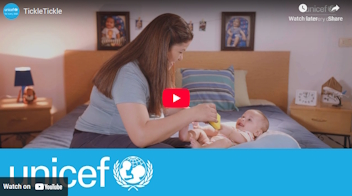
¿Sabías que el Kili Kili ayuda al bebé a calmarse, sentirse seguro y a desarrollar sus sentidos? Jugá al Kili Kili con el bebé haciéndole caricias suaves y lentas en el rostro, manos y pies, mirándolo a los ojos, hablándole o diciendo Kili Kili mientras le sonreís y disfrutan juntos. Podés acariciarlo con las manos o con una esponjita. La hora del baño puede ser un buen momento.Read More →

Este vídeo muestra jugeogs y juguetes ideales de 0 a 2 años utilisando elementos realmente del hogar. Los juegos y juguetes corresponden al paquete Cuidado para el Desarollo Infantil.Read More →

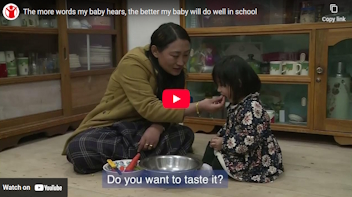
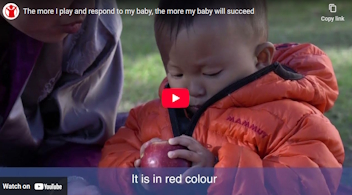
Este vídeo explica cómo favorecer el desarrollo de los niños (de 0 a 6 meses). Los consejos se ajustan a las recomendaciones sobre juego y comunicación del paquete Cuidado para el Desarollo Infantil.Read More →

The video demonstrates how to make jigsaw puzzles for toddlers using pictures, cellotape and scissors. You can draw your own pictures or use ready-made pictures from newspapers or magazines. Start with two or three large puzzle pieces. As the child gets older you can make the jigsaw puzzle more complex by varying the number and size of pieces.Read More →

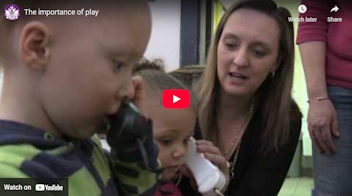
This video explains how play supports children’s overall development and in particular how it supports brain development. Play is like fireworks in the brain as it activates so many different areas of the brain all at once. Read More →

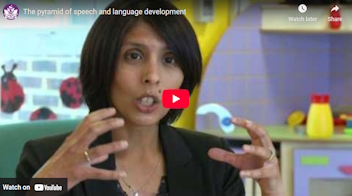
Set in India, this video describes the language skills children acquire by age 3 and demonstrates how caregivers can promote language development. The main 3 practices highlighted are 1) noticing the child’s interest; 2) getting involved; and 3) naming and taking turns talking about what you both are doing. Daily routines and shared book-reading are highlighted as especially good opportunities for language learning.Read More →